

Clean toys feel better! Save $84


How to Prepare for Anal Sex: A Complete Guide

At a Glance
- Start solo: Practice with a finger or prostate massager before partnered play. You'll understand what feels good, which makes everything easier when a partner is involved.
- Talk first: Have the conversation outside the bedroom, when neither of you is in the moment. Good sex starts with clear communication.
- Physical prep: A bathroom trip 30-60 minutes before is enough for most people. Optional: anal douching for a deeper clean, done one to two hours beforehand.
- Lube is non-negotiable: Use a thick water-based lube. Avoid anything with numbing agents because they mask pain signals your body needs to send.
- Go slow and build up: Foreplay, then a finger, then a toy or more. Rushing causes discomfort. There's no prize for skipping steps.
- Aftercare matters: Check in with your partner after. Ask what worked, what didn't, and what you'd both do differently next time.
Why Anal Play Is Worth Trying
Anal sex is surrounded by more anxiety than it deserves. The actual preparation isn't complicated, it just requires a bit of planning, good communication, and a willingness to go at your own pace.
For people with a prostate, anal play has a specific payoff that penile stimulation can't match. The prostate sits just inside the rectum, surrounded by nerve endings. Research shows that prostate orgasms can be more intense and full-body than penile-induced ones.
Anal play isn't exclusive to any orientation or identity. For anyone without a vagina, it's also the main route for receptive penetrative sex. And even if you're not chasing the prostate orgasm specifically, introducing something new into your sex life tends to have its own effects: more intimacy, more communication, more curiosity.
Start Solo
The first time anything goes into your anus, it's an unfamiliar sensation. Practicing alone before partnered play removes a layer of pressure from the experience. You learn what depth, motion, and pressure feel good and that knowledge makes you a better communicator during sex.
Use Your Fingers
Start with clean, trimmed hands and plenty of lube on your finger and the external area. Breathe out and relax your muscles deliberately—tension is the main reason insertion feels uncomfortable.
Once a finger is inside, point it toward your belly button and feel for the prostate: a rounded, slightly firm spot that produces a distinct, pleasurable pressure when touched. A sensation like needing to pee usually means you've found it.
From there, experiment with come-hither motions, circular pressure, and direct pressing. Find what works. Take your time.

Try a Prostate Massager
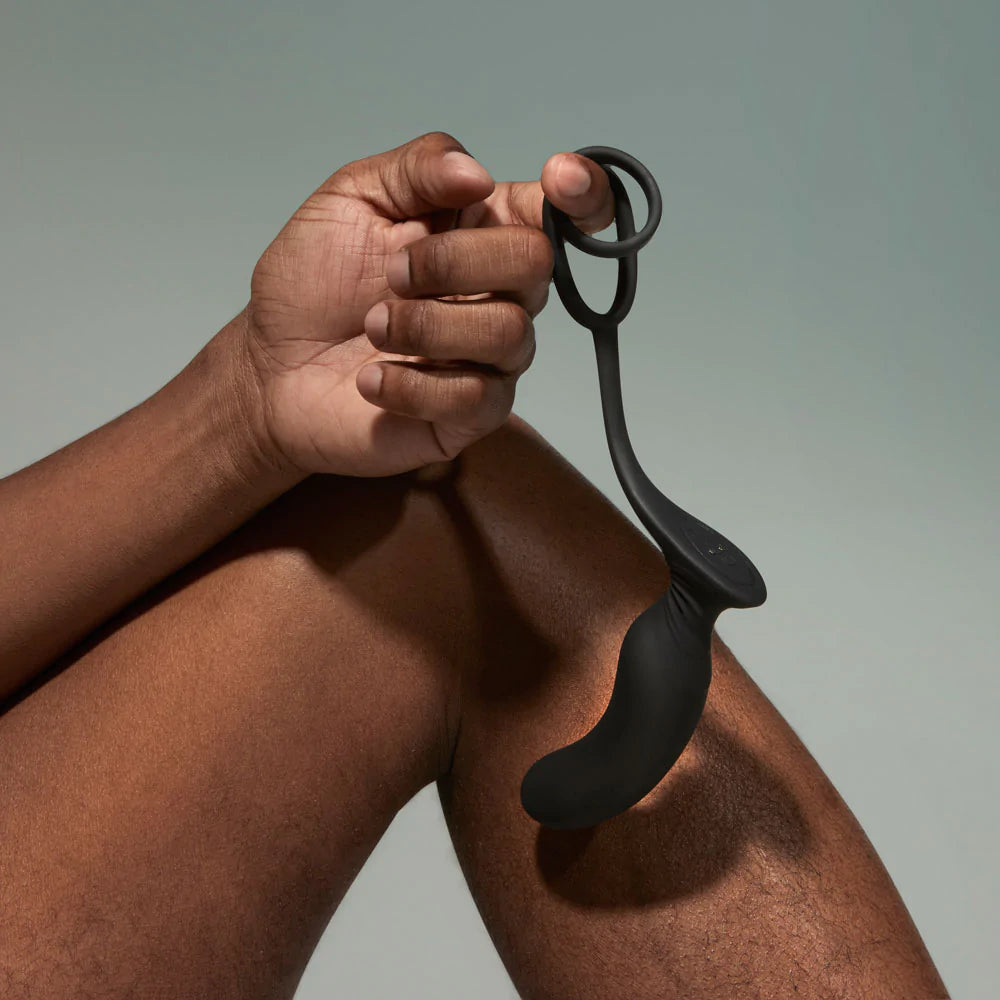
A prostate massager takes solo play further without requiring a partner. These are shaped to reach the prostate directly and stay in position while you move, which frees you from the gymnastics of manual stimulation.
Apply a generous amount of water-based lube to the toy and your anus. Insert the head tip slowly, rocking it gently back and forth rather than pushing straight in. Twisting slightly from side to side as you insert can help. Go only as far as feels good and don't force it.
Find Your Match
Tomo replicates a come-hither motion mechanically while stimulating the perineum at the same time. Thor delivers a rotating head with strong vibration. Both work solo or with a partner via wireless remote. Try the GIDDI Product Quiz if you're not sure which fits your situation.
Talk to Your Partner First
The best time to bring up trying anal is when you're not in the middle of sex. Raising it in a neutral moment gives your partner space to think clearly and respond honestly, without the pressure of an active situation.
Keep it direct and low-stakes. Tell them you've been curious about it, share what you've read or tried, and ask how they feel. Some partners will be enthusiastic, and some will want time to think. Both responses are fine.
Research on sexual communication consistently links open conversations about sex with better orgasms, lower discomfort, and higher overall satisfaction. This conversation is prep too.
Physical Preparation
Clean Up
Go to the bathroom 30 to 60 minutes before anal play. For most people, this and a quick external wash with soap and water (or a baby wipe if you’re in a rush) is all the prep needed. Your rectum naturally keeps things higher in the colon, away from the anal canal.
Anal Douching
If you want a deeper clean, douche one to two hours before play. Fill an enema bulb with warm water, insert the nozzle with lube, squeeze slowly, hold 10 to 15 seconds, then release. Repeat two to three times until the water runs clear.
Limit douching to two to three sessions a week maximum. Overdoing it strips the natural mucus lining of the rectum and creates more problems than it solves.
Diet
What you eat affects how your body performs during anal play. A diet with adequate protein and fiber produces more regular, complete bowel movements and reduces unpredictability. Avoid caffeine and heavy meals in the hours before.
Build Up Slowly
Foreplay
Don't skip it. Foreplay builds arousal, reduces tension, and gets both of you physically and mentally on board. For anal play specifically, a relaxed body is the difference between comfortable and uncomfortable insertion.
Start wherever feels natural: kissing, touching, massage. When you're both warmed up, move to the anal area. An external butt massage increases blood flow. Rimming (tongue stimulation around the anus) is highly effective for relaxing the external muscles.
Fingers First, Then More
Before any toy or penis penetration, use a lubed finger to warm up the anus. Massage the rim externally until your partner signals they're ready, then insert slowly. Ask what feels good. Apply what you learned from your solo sessions.
Only move to a toy or penis once both partners feel genuinely ready. There's no timeline to follow here.
Penetration
Cover the penis or toy in a generous amount of lube. Insert slowly, a quarter-inch at a time, checking in verbally with the receiver at each step. Deep breathing by the receiver keeps the muscles relaxed. The giver should match the receiver's pace, not lead it.
Once fully inserted, experiment with rhythm and depth together. If anything is painful, stop. Pain during anal sex means something needs to change: less depth, more lube, a different position, or a break.
Lube
Use a thick, water-based lube and use more of it than you think you need because the anus doesn't self-lubricate. Water-based formulas are safe with silicone toys and condoms, and they wash out of fabric easily. You can find lube and care essentials here.

Skip Numbing Creams
Avoid any lube that advertises numbing or desensitizing effects. These products block the pain signals your body sends when something needs to stop. You won't know you've overdone it until the numbing wears off, by which point the damage is already done.
Hygiene During Sex
Use a towel. Put one on the bed before you start. It catches lube, protects your sheets, and removes a mental distraction. A second towel on the floor is useful as a spot for toys and other gear.
Gloves. If finger play feels messy to the giver, nitrile gloves from a drugstore or tattoo supply shop are a practical option. They're thinner than standard latex and can even be worked into the mood if you want.
Don't switch holes. If you're having sex with someone who has a vagina, never go from anal play directly to vaginal penetration without changing a condom or cleaning the toy. Rectal bacteria can cause yeast infections and bacterial vaginosis in the vaginal environment. Change protection before switching.
Condoms and STI Protection
Anal sex carries real STI transmission risk for gonorrhea, chlamydia, HIV, syphilis, and hepatitis B and C. Condoms significantly reduce that risk. Use them with anyone outside a tested, monogamous relationship.
If the receiver has a vagina and there's any transition from anal to vaginal during the same session, a new condom is required regardless of relationship status.
Aftercare
Aftercare is the check-in that happens after sex and it matters just as much as the other steps. Ask your partner how they feel, what they enjoyed, what they'd change. Be honest about your own experience too.
Your partner might love it and want to do it again soon, or they might need time before trying again, or they might decide it's not for them entirely. Whatever the answer, respect it.
Good aftercare also means physically checking in: hydrate, clean up together, and make sure neither of you feels sore or uncomfortable. Minor tenderness is normal after first-time anal play. Persistent pain isn't, so see a doctor if something feels off the next day.
The Short Version
Prepare alone first. Talk to your partner before you're in the moment. Use a lot of lube. Go slow. Stop if anything hurts.
That's most of it. The rest is just practice.