

Clean toys feel better! Save $84


Tight Pelvic Floor: The Muscle Group Nobody Told You Runs Your Pleasure

At a Glance
- What the pelvic floor is: A hammock of muscles at the base of your core that supports your bladder and bowel, wraps around the prostate, and fires during every erection and orgasm.
- The Kegel myth: "Just do your Kegels" is half the advice. Squeezing builds strength, but a muscle that only knows how to clench is a problem.
- The tight pelvic floor problem: A too-tight, or hypertonic, floor can dull sensation, weaken erections, and rush you to the finish, and most guys never connect the dots.
- How to relax pelvic floor tension: Breathing, reverse Kegels, and simply noticing when you're gripping do more than another set of squeezes.
- Where pleasure comes in: A floor that can both contract and release is the one that actually feels good, and it makes prostate play noticeably better.
You've probably heard the advice a hundred times: do your Kegels. Squeeze, hold, repeat, and everything down there gets better. What nobody mentions is the other half of the story. These muscles can get too tight, and when they do, they quietly sabotage the exact things you were trying to improve.
Your pelvic floor has more to do with pleasure than almost any muscle group you can name, and most guys have never thought about it once. Let's fix that.
What Your Pelvic Floor Actually Does
Picture a hammock of muscle slung across the base of your pelvis, front to back, side to side. That's your pelvic floor. It holds up your bladder and bowel, controls when you go and when you hold, and wraps directly around the base of the prostate.
It's also doing real work during sex. Those muscles contract to help you get and keep an erection, and they're the ones firing in rhythm when you orgasm. That pulsing at the peak, that’s your pelvic floor. So when the muscle group is out of shape, in either direction, you feel it exactly where you'd least want to.

![]() Why "Just Do Kegels" Is Half the Advice
Why "Just Do Kegels" Is Half the Advice
The benefits of Kegel exercises for men are real. A stronger pelvic floor can mean firmer erections, better control, and more intense orgasms. That part of the advice holds up.
But, there’s a catch: strength without the ability to relax is just tension. A bicep that could only flex and never extend wouldn't be strong; it'd be stuck. Your pelvic floor works the same way. If you drill squeezes all day but never learn to fully let go, you build a muscle that's locked in a permanent low-grade clench. That's the opposite of what you want.
The Tight Pelvic Floor Problem
A too-tight pelvic floor has a clinical name, hypertonic, and a long list of symptoms that rarely get traced back to the real cause. These symptoms include:
- Discomfort or aching in the pelvis
- Erections that feel weaker than they should
- Getting to the finish faster than you'd like
- A dull, muted quality to the sensation that you can't quite explain
So, how does a muscle get stuck on tight? The most common cause is chronic stress, which keeps your whole body braced, and the pelvic floor braces with it. Other habits that have an effect include sitting for nine hours a day and the unconscious clenching down there when you're anxious. Add it up over the years, and the muscle forgets how to rest.
If any of that sounds familiar, the fix probably isn't more squeezing.
How Your Pelvic Floor Shapes Pleasure
The link between your pelvic floor and sex runs deeper than most people realize. Blood flow into the penis depends partly on these muscles working right. Orgasm is literally a series of pelvic floor contractions. And because the floor wraps the prostate, its tension sets the tone for how prostate stimulation feels.
When the muscle is chronically tight, every one of those systems runs at a deficit. Blood flow gets choked. Contractions that should build and release instead fire from an already-clenched starting point, which is why a tight floor can hurry an orgasm along and leave it feeling flat. Loosen the muscle, and you give all of it room to work.
How to Relax Your Pelvic Floor
Learning how to relax the pelvic floor is a skill, and like any skill, it takes a little practice. The good news is that the practice is mostly just breathing and paying attention.
Breathe Into It
Lie down, put a hand on your belly, and breathe slowly into it so the belly rises. As you inhale, picture the floor of your pelvis gently dropping and opening. This diaphragmatic breathing is the single most effective way to teach the muscle to release, and it costs you nothing but a few quiet minutes.

Try Reverse Kegels
A regular Kegel lifts and squeezes. A reverse Kegel does the opposite: a gentle, downward bearing-out, the sensation you'd feel at the very start of urinating or passing gas, without straining. This is the "release" half of the muscle you've probably never trained. Go slow and easy.
Catch Yourself Clenching
For one day, just notice. Stuck in traffic, mid-email, doom-scrolling in bed. You'll likely catch your pelvic floor quietly gripping for no reason. Each time you notice, let it go. Awareness alone breaks a surprising amount of the habit.
Where Prostate Play Comes In
Here's the part that ties it together. Because your pelvic floor wraps the prostate, a relaxed floor makes prostate stimulation more comfortable, more accessible, and a lot more pleasurable. A tight one fights you the whole way.
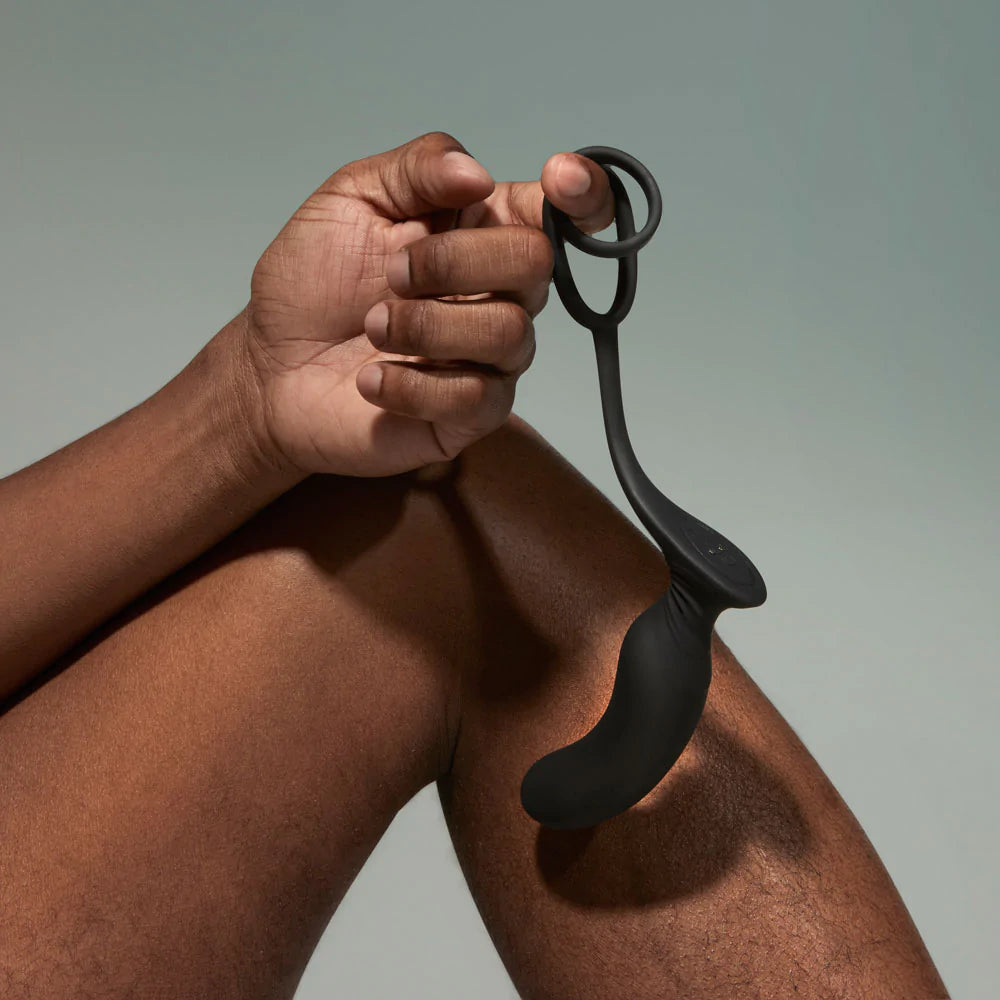
This is where exploration doubles as training. A prostate massager gives you a direct way to feel what's happening in that area, notice where you're holding tension, and practice releasing it while pleasure does the coaching. It's hands-free, so you can put your attention on your breath and let the muscle soften. Learning to relax on purpose is a skill, and this is one of the more enjoyable ways to build it.
The Bottom Line
The takeaway isn't "stop doing Kegels." It's that a healthy pelvic floor can do two things: contract with power and release completely. Most of the advice online covers the first and skips the second, which is how so many men end up strong and tight instead of strong and responsive. You want both. Train the squeeze, absolutely, but train the letting-go with equal attention.
If you're dealing with real pain or symptoms that don't budge, a pelvic floor physical therapist is a genuine specialty and worth seeing. There's nothing unusual about it, the same as seeing a PT for your knee.
Ready to explore and release at the same time? Explore the GIDDI collection and give your prostate wings.
Disclaimer: This article is intended for informational purposes only. Seek medical advice from a healthcare provider if you have any concerns about your health.